Tucked away in the majestic folds of the Himalayas, the Manaslu Circuit Trek is one of Nepal’s most captivating trekking routes. Encircling the eighth highest mountain in the world, Mount Manaslu (8,163m), this trek blends raw natural beauty with authentic cultural encounters and a sense of remote adventure.
Unlike more crowded trails in Everest or Annapurna, the Manaslu region offers peaceful paths through secluded villages, ancient monasteries, alpine landscapes, and sacred sites. Whether you’re drawn to dramatic mountain scenery, spiritual experiences, or simply the thrill of trekking off-the-beaten-path, the Manaslu Circuit delivers something truly special. Below are 14 standout attractions that make this trek one of Nepal’s most unforgettable journeys.
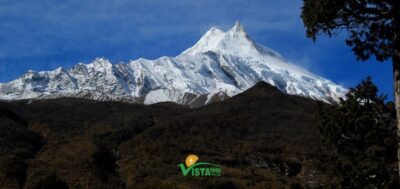
The Manaslu Circuit is a visual masterpiece. From lush subtropical valleys to barren alpine plateaus, the trail is constantly shifting in terrain and mood. As you trek higher, forests give way to glaciers, and deep gorges open into expansive Himalayan vistas. Every section feels like a new scene unfolding—one moment you’re crossing a wooden bridge over a thundering river, the next you’re staring up at the snow-covered flanks of Mount Manaslu. The diverse geography not only keeps the journey exciting but also showcases Nepal’s unparalleled natural variety.
During your acclimatization stay in Samagaun, a side hike to Manaslu Base Camp is an essential add-on. It’s not only excellent for adjusting to higher altitudes but also offers one of the closest views of the towering Manaslu massif. The trail climbs gradually through yak grazing fields and ends at a majestic viewpoint surrounded by snow and ice. Reaching the base camp deepens your connection to the mountain and adds a rewarding personal challenge to the itinerary.
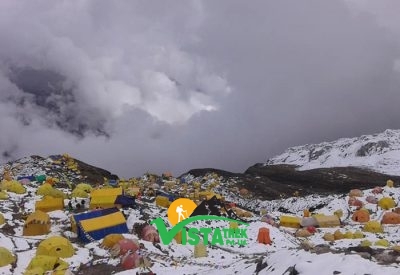
Birendra Lake sits peacefully near Samagaun, offering a striking contrast of stillness amidst towering peaks. The lake’s turquoise waters are fed by glacial melt and reflect the surrounding snow-covered mountains on calm days. It’s an easy hike from the village, making it a favorite afternoon activity for trekkers acclimatizing in the area. The stillness and isolation make it feel like a hidden gem, perfect for photos and moments of solitude.
Set on a ridge above the valley floor, Pungyen Monastery is both a spiritual site and a spectacular viewpoint. Reaching it requires a short uphill walk from Samagaun, but the reward is well worth the effort. The monastery offers insights into local Buddhist practices and a tranquil space to reflect on your journey. With fluttering prayer flags, distant glaciers, and panoramic views, the atmosphere feels otherworldly.
If you’re seeking a deeper detour into remote territory, Lajjen Bhanjyan offers a unique view into the borderlands near Tibet. Though not on the main circuit, this rugged mountain pass reveals the stark beauty of the high Himalayas and opens up vistas of the Tibetan plateau. The terrain is raw, wild, and strikingly quiet—ideal for trekkers who love exploration beyond the standard trail.
Larke Pass (5,135m) is the dramatic high point of the trek, both literally and emotionally. It’s a long, early morning climb to reach the summit, but as the sun rises over snow-covered peaks, the effort is quickly forgotten. From the top, the views are nothing short of spectacular, stretching across ranges and valleys in every direction. The descent into Bhimtang offers a welcome change in landscape and temperature.
After descending from Larke Pass, you’re greeted with the serene beauty of Ponkar Lake—an alpine gem surrounded by towering peaks and glacial terrain. Tucked away above Bhimtang, the lake feels untouched and remote, offering a refreshing pause after the most physically demanding part of the trek. Its icy waters and quiet surroundings give trekkers a space to recover, reflect, and absorb the stunning post-pass scenery.
Throughout the trek, waterfalls appear as unexpected delights—sometimes roaring down rock faces, other times gently trickling through forests. These waterfalls not only enhance the beauty of the route but also bring life and rhythm to the journey. Especially in the lower sections of the trail, the presence of cascading water adds freshness and vibrancy to your walk.
The Manaslu Circuit is a cultural tapestry woven from Tibetan, Gurung, and Nubri traditions. As you pass through villages like Lho, Sama Gaon, and Samdo, you’ll encounter prayer flags, chortens, spinning wheels, and daily rituals practiced by the local people. The hospitality you receive isn’t manufactured—it’s deeply rooted in centuries of Himalayan warmth and resilience.
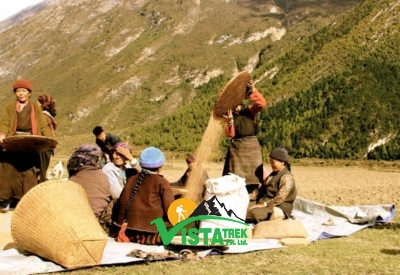
What sets the Manaslu Circuit apart is its sense of quiet. You’re not sharing the trail with hundreds of trekkers as you would in Everest or Annapurna. The limited permit system ensures a peaceful environment, allowing you to fully engage with nature, culture, and your own trekking rhythm without the pressure of crowds.
Manaslu is no walk in the park—it demands commitment, preparation, and grit. But with every uphill push comes an unforgettable reward: a sunrise on Larke Pass, a monastery at the edge of a cliff, or a distant yak herder’s greeting. The physical challenges deepen your connection to the land, making every achievement feel earned.
Protected under the Manaslu Conservation Area, the region teems with life—from lowland forests to high alpine zones. You’ll walk through rhododendron groves, hear the call of Himalayan pheasants, and perhaps glimpse a red panda or signs of snow leopards. This trek is not just scenic—it’s alive.
The trek is laced with ancient spiritual landmarks—places where history, myth, and mountain culture converge. Every village has a story, every monastery a guardian. These aren’t tourist attractions—they’re lived-in centers of devotion that provide depth to your journey.
Luxury is redefined in the Manaslu region—not through grand hotels, but in warm meals, clean blankets, and heartfelt conversations in family-run tea houses. These accommodations are basic, but they are rich in character and authenticity, offering true Himalayan hospitality at every stop.
The Manaslu Circuit Trek is not just a route around a mountain—it’s a multi-layered journey through raw wilderness, ancient cultures, and personal discovery. With fewer crowds, richer experiences, and the perfect blend of challenge and charm, it’s an ideal trek for those seeking something deeper. If you’re ready to explore Nepal’s best-kept secret, the trail around Manaslu awaits with all its magic.
Plan your trek with confidence—choose Vista Trek, Nepal’s trusted experts in guided Himalayan adventures.
It’s a moderately challenging trek with high altitudes and long walking days. Larke Pass (5,135m) is the toughest section, but with good fitness and proper acclimatization, it’s manageable for most trekkers.
Yes, a licensed guide is mandatory. You’ll also need three permits: Restricted Area Permit (RAP), Manaslu Conservation Area Permit (MCAP), and Annapurna Conservation Area Permit (ACAP).
Spring (March–May) and autumn (September–November) are ideal. These months offer clear skies, stable weather, and excellent mountain views.
Most treks take around 12 to 16 days, including rest and acclimatization days. Adding side trips like Manaslu Base Camp may extend the duration.
Accommodation is mostly in simple tea houses and homestays. Rooms are basic, and meals are local—mainly dal bhat, noodles, and soups.
Yes, it’s much quieter. With fewer trekkers and a restricted permit system, the trail offers a more peaceful and authentic experience.
No, solo trekking isn’t allowed here. You must trek with a licensed guide, and booking through an agency is recommended for permits and safety.

Once is not Enough for Naturally Nepal
GPO Box 9668
Thamel, Kathmandu, Nepal
Tel: 977-01-4701020,
4701164
info@vistatreks.com, vistatreknepal@gmail.com
Devendra Basnet
(Managing Director)
info@vistatreks.com
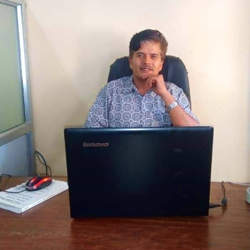
Arjun Kumar Sharma
(Executive Director)
vistatreknepal@gmail.com
Copyright © 2026 Vista Trek Pvt. Ltd. All Rights Reserved | Design by: Web Design in Nepal