Why trek in Manaslu? This hidden Himalayan region combines everything trekkers dream of: majestic peaks, timeless culture, and serene isolation. But not everyone can commit to the demanding full circuit that loops around Mount Manaslu. That’s where Manaslu Alternative Routes and Manaslu Short Treks come in. These options let travelers experience the essence of the Manaslu region without the high-altitude challenges or three-week commitment.
In this guide, you’ll explore a range of trekking routes tailored to different schedules, fitness levels, and interests, from cultural walks in the Tsum Valley to alpine crossings via Rupina La. You’ll also learn about permits, best seasons, costs, and preparation tips. Whether you’re after a gentle cultural journey or a shorter version of the famous circuit, this guide helps you choose the route that perfectly fits your adventure style.
The Manaslu Conservation Area, a pristine natural reserve that rises from verdant valleys to the majestic summit of Mount Manaslu (8,163m), is home to the Manaslu Region. Remote villages like Jagat, Namrung, Lho, Samagaon, and Samdo are scattered throughout the region and provide a genuine look at mountain life. The trails are lined with old monasteries, stone-built houses, and fluttering prayer flags, which create a calm, spiritual atmosphere.
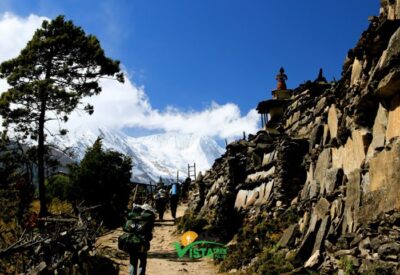
Tibetan Buddhism is the cultural foundation of Manaslu. Particularly in the Tsum Valley, where the Tsumba community upholds age-old customs, you will come across mani walls, prayer wheels, and vibrant gompas. The best seasons to trek are spring (March–May) and autumn (September–November), when skies are clear, temperatures moderate, and rhododendron forests bloom. The monsoon months (June–August) bring heavy rain, while winter (December–February) can make high passes icy and remote sections challenging.
Manaslu remains a place where culture, nature, and solitude still coexist in perfect balance.
The Manaslu Circuit Trek is a challenging 14–19-day adventure that circles the entire Manaslu massif. Trekkers start from Soti Khola or Arughat, following the Budhi Gandaki River through forests, rice terraces, and alpine meadows before crossing the iconic Larkya La Pass (5,160m). The journey rewards you with breathtaking panoramas of Manaslu, Himalchuli, and Cheo Himal, alongside visits to remote Tibetan-influenced villages.
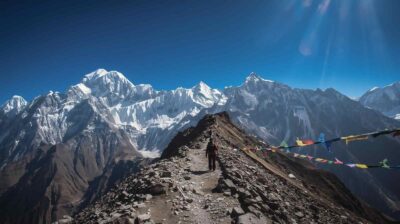
However, this trek demands endurance and careful acclimatization. Altitude sickness, long days, and limited infrastructure make it suitable for experienced trekkers. The region also falls under restricted status, requiring multiple permits: the Manaslu Restricted Area Permit (RAP), Manaslu Conservation Area Permit (MCAP), and often the Annapurna Conservation Area Permit (ACAP).
Understanding the full circuit helps travelers decide which Manaslu Trek Variations or shorter treks best match their time, comfort, and fitness levels. Each alternative offers a unique slice of this magnificent landscape.
Not everyone has three weeks or the stamina for high-altitude passes. That’s where Manaslu Alternative Routes and Short Treks shine. These options let you enjoy the beauty and culture of the Manaslu region within a shorter timeframe and with less physical strain.
With less exposure to high altitude, shorter treks such as Lower Manaslu, Tsum Valley, or Rupina La provide genuine village life experiences, picturesque forests, and up-close mountain views. They are perfect for people with little free time, a moderate level of fitness, or who prefer cultural immersion to strenuous physical activity.
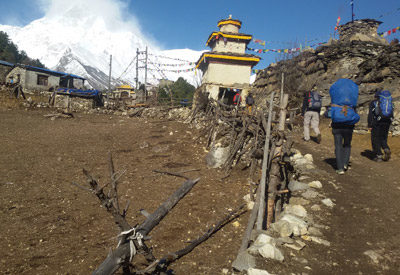
Additionally, these variations allow hikers to explore trails that are not on the popular trekking map while avoiding crowds. These options offer you flexibility without sacrificing adventure, whether your preference is for a moderately difficult high-pass route or a leisurely stroll through isolated hamlets. Making a decision based on your objectives, cultural ties, the beauty of the environment, or the difficulty of the trek is crucial.
Here are popular Manaslu Circuit alternative/short treks:
Lower Manaslu Trek (7–10 Days)
A great introduction to the region, the Lower Manaslu Trek stays below 3,000m, making it accessible year-round. The route winds through lush hillsides, terraced fields, and traditional Gurung and Magar villages. Expect tranquil trails, dense forests, and partial views of Manaslu’s snow peaks. It’s perfect for families or those who prefer a moderate trek with cultural focus and easy logistics.
Tsum Valley Trek (10–14 Days)
The Tsum Valley is known for its ancient monasteries, meditation caves, and the spiritual Tsumba people. This trek emphasizes cultural exploration over altitude challenge. Walk through monasteries like Rachen Gompa and Mu Gompa, and experience timeless Tibetan customs that remain untouched by modernization.
Rupina La & Barpak Route (7–9 Days)
For seasoned trekkers seeking solitude, the Rupina La route offers rugged wilderness, alpine meadows, and dramatic mountain panoramas. The pass reaches around 4,700m and requires solid fitness, but rewards you with pristine beauty far from crowded trails.
Short Manaslu Circuit (10–12 Days)
An abridged version of the classic route, this trek includes highlights like Samagaon, Birendra Lake, and viewpoints near Manaslu Base Camp without completing the full circuit. Ideal for trekkers who want the essence of the Manaslu experience in less time.
Recommended Package: Manaslu Annapurna Double Circuit Trek 22 Days
Side trips in the Manaslu region are a fantastic way to enrich your itinerary without extending it too long. From cultural visits to scenic viewpoints, these add depth to your journey.
Each side trip can be completed as a half or full-day hike, adding variety and a sense of discovery to your trek.
The Manaslu region is a restricted trekking area, meaning trekkers must travel with a registered agency and licensed guide. Required permits include:
Permit costs depend on the season and duration of stay. Solo trekking is not allowed, and a minimum of two trekkers is required.
Access usually begins with a drive from Kathmandu to Soti Khola, Machha Khola, or Arughat, followed by gradual elevation gain through the Budhi Gandaki Valley. Altitude acclimatization, appropriate gear, and travel insurance covering rescue are essential. Always check weather updates; spring and autumn remain the best times for safe, enjoyable trekking.
| Route | Duration | Difficulty | Highlights | Best For |
| Lower Manaslu Trek | 7–10 days | Moderate | Rice terraces, rural culture | Beginners, families |
| Tsum Valley Trek | 10–14 days | Moderate | Monasteries, cultural immersion | Culture enthusiasts |
| Rupina La Trek | 7–9 days | Challenging | High alpine passes, solitude | Experienced trekkers |
| Short Manaslu Circuit | 10–12 days | Moderate–Hard | Samagaon, base camp views | Fit trekkers with limited time |
Pros: Flexibility, fewer crowds, and diverse experiences.
Cons: Fewer high-altitude thrills compared to the full circuit, and some routes require camping or additional logistics.
On average, expect USD 900–2,000 for guided packages depending on duration, permits, and inclusions. Daily expenses for meals and accommodation typically range from USD 25 to 50. Permits cost around USD 100–150, varying with trek length and season.
To save costs, consider trekking in small groups, choosing local tea houses, and traveling during the shoulder seasons (March or November). Booking your trek through a registered local agency like Vista Treks ensures permit handling and better value for your money. Always budget extra for emergencies, gear rentals, or unexpected delays due to weather or transport.
Here are some of the tips for the Manaslu trip:
Physical Preparation
Health & Safety
Each Manaslu Trek Variation has its unique charm. If time is short, the Lower Manaslu or Short Manaslu Circuit gives you an immersive experience within 10 days. For cultural travelers, Tsum Valley offers unmatched serenity and tradition, while adventure lovers can test their limits on Rupina La.
Whichever route you choose, trek responsibly, respect local traditions, minimize waste, and support community-run lodges. With careful planning, a trusted guide, and the right preparation, your journey through the Manaslu Alternative Routes will be both safe and unforgettable. Plan your adventure with Vista Trek and experience the Manaslu region with expert guidance and local insight.
Can I complete the Manaslu Circuit in under 14 days?
It’s possible but not recommended due to the risk of altitude sickness. Opt for a shorter circuit or Lower Manaslu alternative instead.
Do I need a guide?
Yes. The Manaslu region requires trekkers to be accompanied by a licensed guide through a registered agency. Solo trekking isn’t permitted.
Are permits the same for all routes?
No. Each variation requires different combinations of RAP, MCAP, and ACAP permits depending on your chosen route.
Which is the best route for beginners?
The Lower Manaslu Trek is ideal—shorter duration, lower altitude, and more cultural experiences.

Once is not Enough for Naturally Nepal
GPO Box 9668
Thamel, Kathmandu, Nepal
Tel: 977-01-4701020,
4701164
info@vistatreks.com, vistatreknepal@gmail.com
Devendra Basnet
(Managing Director)
info@vistatreks.com
Arjun Kumar Sharma
(Executive Director)
vistatreknepal@gmail.com
Copyright © 2026 Vista Trek Pvt. Ltd. All Rights Reserved | Design by: Web Design in Nepal