The charm of the Manaslu Region Culture is its peaceful trails, historic monasteries, and friendly mountain people. A living journey through age-old customs, Manaslu is tucked away deep in Nepal’s Himalayas and offers more than just snow peaks and adventure.
Villages such as Lho, Samagaon, and Samdo demonstrate how spirituality and culture coexist in daily life. In addition to dressing traditionally and practicing Buddhism, the locals celebrate the ancient Manaslu Festivals, which add color to the untamed surroundings.
At its heart, the region reflects both Nepalese and Tibetan influences, shaped by mountain life and deep faith. You feel it here, not just hike it. Every step becomes a cultural exploration thanks to the chanting from monasteries, the whirring prayer wheels, and the warm smiles of the locals.
The Manaslu Cultural Trek is unique because it is a journey through living heritage where people, nature, and faith all coexist peacefully.
The Culture of the Manaslu Region bridges the power of the Himalayas and centuries of the human spirit. Gurung, Nubri, and Tsum communities add rich color to the region’s cultural landscape, each keeping its own stories and traditions alive.
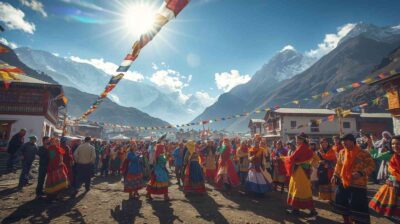
What makes this region unique:
Despite its remote setting, locals are incredibly welcoming, always ready to share their way of life. Walking the Manaslu Circuit Trek feels like traveling through a cultural time capsule — snow peaks stand beside ancient monasteries, and nature flows hand in hand with tradition.
This balance of wilderness and heritage is one of the most meaningful Manaslu Trek Highlights for travelers seeking authenticity.
At the core of the Manaslu Region Culture are its people — humble, kind, and deeply spiritual. Their way of life is shaped by mountain landscapes and Buddhist wisdom passed down through generations.
Life here is simple yet full of meaning:
Festivals like Lhosar or Dhachyang bring everyone together with dance, laughter, and food, reflecting gratitude and unity.
Every encounter, whether sharing butter tea with locals or listening to monks chant in remote gompas, shows how culture and daily life are inseparable. The People and lifestyle in Manaslu embody harmony, resilience, and a peaceful connection with nature.
Recommended Package: Tsum Valley Trek 17 Days
Faith is the heart of the Manaslu Region Culture. Buddhism shapes everything here — from how people pray to how they farm and celebrate.
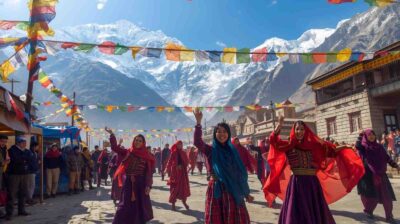
You’ll notice:
As you walk the Manaslu Circuit Trek, every turn reveals devotion in action. Butter lamps flicker in the dusk, monks chant softly, and locals spin prayer wheels with quiet faith.
This connection between spirit and everyday life makes the Manaslu Cultural Trek not just a journey through mountains, but a journey within.
The festivals of the Manaslu region are the heartbeat of its culture, colorful, joyful, and filled with meaning. These celebrations unite families and villages, keeping traditions alive across generations.
Celebrated in February or March, Lhosar is one of the most vibrant Manaslu Festivals. Homes are cleaned and decorated with butter lamps, families share festive meals, and monks perform mask dances. The air fills with music and laughter — a symbol of renewal and good fortune.
Unique to the Nubri Valley, this event celebrates bravery and community spirit. Horse races, songs, and traditional dances bring villagers together in a cheerful display of pride and togetherness.
Marking Buddha’s birth, enlightenment, and passing, Saga Dawa transforms monasteries into spiritual sanctuaries glowing with butter lamps and prayer.
Blending devotion and joy, monks and nuns lead processions and prayers, while locals share food and blessings.
Events like Dumji, Tiji, and harvest festivals honor the farming cycle and nature’s generosity. Trekkers on the Manaslu Cultural Trek can witness these celebrations respectfully — a rare chance to experience the Culture of the Manaslu Region up close.
The Manaslu Trek Highlights go beyond scenery; they tell the story of people and culture woven into the mountains.
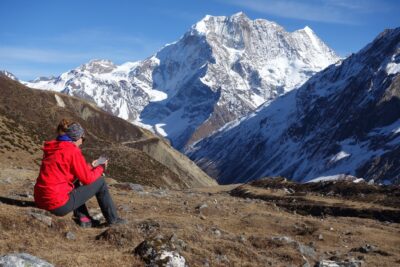
Some unmissable cultural gems include:
Crossing the Larkya La Pass, trekkers feel both triumph and tranquility. Every smile and prayer flag you encounter adds to the magic of the Manaslu Cultural Trek, reminding you that this region’s beauty is as spiritual as it is scenic.
Recommended Package: Manaslu Annapurna Double Circuit Trek 22 Days
Though the Manaslu Region Culture remains vibrant, it faces new challenges from modernization and tourism. Still, the locals are determined to keep their identity strong.
Efforts include:
Visitors can help too by dressing respectfully, supporting local homestays, and showing appreciation for local customs. Preserving the Culture of the Manaslu Region isn’t just the locals’ job; it’s a shared responsibility for everyone who visits.
To truly experience the Manaslu Region Culture, walk slowly and connect deeply.
Here’s how to make your journey meaningful:
By walking gently and listening closely, trekkers witness the real People and lifestyle in Manaslu their kindness, simplicity, and harmony with nature.
Among Nepal’s trekking regions, Manaslu stands apart for its purity and authenticity. Its isolation preserved the Culture of the Manaslu Region, where ancient rituals still shape daily life.
Here’s why it’s unforgettable:
Here, you don’t just trek, you connect. The Manaslu Cultural Trek offers a rare glimpse into a world where faith, tradition, and nature still walk hand in hand.
The culture of the Manaslu Region is a living, breathing legacy that transcends history. Everything here exudes warmth and wisdom, from silent prayers in mountain monasteries to joyous celebrations. Reaching a high pass is not the only goal of trekking in this area. It’s about appreciating people, honoring their customs, and experiencing a sense of belonging to something timeless yet vibrant.
Take a trip through the heart of the Himalayas with Vista Treks if you’re prepared to discover this cultural wonderland for yourself. Discover what makes the Manaslu Cultural Trek so remarkable by walking with locals and taking in age-old customs. Each traveler who follows this path becomes a part of its story, one that is full of Himalayan spirit, humility, and heart.
What makes the Manaslu Region Culture unique?
The Manaslu Region Culture stands out for its deep Buddhist roots and Tibetan influence. Villages like Lho, Samagaon, and Samdo preserve centuries-old traditions, from monastery rituals to ancient art. It’s one of the few places in Nepal where culture and nature blend so harmoniously.
Which are the most popular Manaslu Festivals?
The most colorful Manaslu Festivals include Lhosar (Tibetan New Year), Dhachyang (Horse Festival), and Saga Dawa. Each festival celebrates community, faith, and gratitude. Trekkers visiting during these times can witness traditional dances, music, and joyful gatherings.
How can trekkers experience the local culture during the Manaslu Circuit Trek?
Trekkers can stay in local teahouses, join monastery prayers, and time their journey around major festivals. Walking slowly and interacting with locals allows visitors to experience the Culture of the Manaslu Region in an authentic, respectful way.
What is special about the people and lifestyle in Manaslu?
The people and lifestyle in Manaslu are shaped by mountain living and Buddhist spirituality. Most locals rely on yak herding and farming, while monasteries serve as the center of education and faith. Their warm hospitality adds depth to every traveler’s journey.
Is the Manaslu Cultural Trek suitable for beginners?
Yes, the Manaslu Cultural Trek is perfect for trekkers who enjoy culture and scenery equally. While some sections are challenging, proper preparation and guided support make it achievable for first-timers who want an authentic Himalayan experience.
Why should I book my Manaslu Trek with Vista Treks?
Vista Treks specializes in cultural and scenic journeys across Nepal, offering experienced guides who know the Manaslu Region Culture deeply. With a focus on responsible travel and local connection, they ensure your trek is safe, enriching, and unforgettable.

Once is not Enough for Naturally Nepal
GPO Box 9668
Thamel, Kathmandu, Nepal
Tel: 977-01-4701020,
4701164
info@vistatreks.com, vistatreknepal@gmail.com
Devendra Basnet
(Managing Director)
info@vistatreks.com
Arjun Kumar Sharma
(Executive Director)
vistatreknepal@gmail.com
Copyright © 2026 Vista Trek Pvt. Ltd. All Rights Reserved | Design by: Web Design in Nepal