Manaslu is not just a high Himalayan peak; it is a living tapestry of life. Beyond the stunning snow-capped vistas, the Manaslu region shelters a remarkable range of plants, animals, and ecosystems. When we talk about Manaslu’s rich biodiversity & wildlife trails, we mean more than just scenic forests or grazing pastures. We are referring to the intricate networks of life, from rare alpine plants to elusive snow leopards, that thrive along its trekking routes.
This guide will explore the flora and fauna, the ecological zones, the conservation efforts under the Manaslu Conservation Area, and the wildlife trails that let trekkers experience this natural wealth responsibly. Understanding these aspects enriches your journey beyond the scenery, transforming a trek into a lesson in ecology, conservation, and cultural connection.
Manaslu’s diverse ecology is shaped by its altitude, climate, and geography. Trekking through this region means witnessing a remarkable range of ecosystems in just a few days.
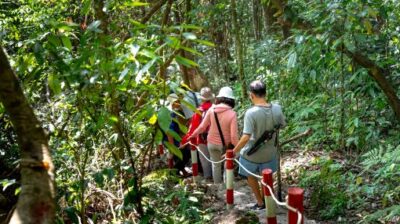
Manaslu’s altitude ranges from around 600 meters to over 8,000 meters, creating distinct ecological zones. The subtropical forests at lower elevations gradually give way to temperate broadleaf and coniferous forests, and eventually to alpine meadows and nival zones near the snowline. Each zone supports unique life forms, with about 1,500 species of flowering plants, 110 bird species, and 30+ mammals documented here. The altitudinal gradient ensures high biodiversity because species adapt to very specific microclimates along the slopes.
The Manaslu Conservation Area, established in 1998, covers over 1,663 km². Its mission is to protect fragile Himalayan ecosystems while promoting responsible ecotourism. Trekking here requires special permits (MCAP and restricted area permits), which directly fund conservation efforts. By trekking responsibly, visitors help safeguard habitats, support local communities, and contribute to anti-poaching and reforestation initiatives.
The plant life in Manaslu is incredibly varied, reflecting the different altitudes and climates of the region. From dense lower forests to high-altitude meadows, each layer of vegetation tells its own story.
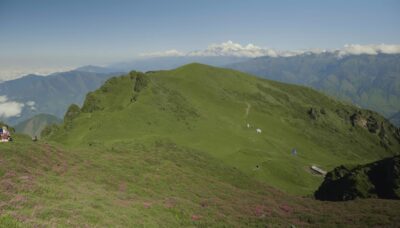
This diversity allows trekkers to experience everything from lush, green forests to stark high-altitude landscapes in a single journey.
Locals harvest medicinal species like yarsagumba (caterpillar fungus) and rare alpine herbs. Many plants are endemic to the high Himalaya, their survival shaped by altitude, climate, and soil conditions. Trekking through these zones offers a first-hand look at plants that are both culturally significant and ecologically fragile.
Manaslu is home to a wide variety of wildlife, from large mammals to tiny insects. Understanding the fauna helps trekkers appreciate the ecological balance of the region.
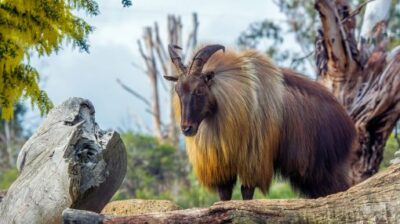
Key mammals include the elusive snow leopard, Himalayan tahr, blue sheep (bharal), red panda, musk deer, and Himalayan black bear. Distribution depends on altitude: dense forests shelter herbivores and smaller predators, while alpine zones are favored by high-altitude specialists. Many species are threatened, making responsible trekking essential.
The region hosts about 110 bird species, including the striking Himalayan monal, pheasants, raptors, and migratory birds. Lower forest zones are best for birdwatching in spring and autumn, while open alpine areas provide sightings of high-altitude specialists.
From butterflies and pollinators in lower valleys to amphibians in streams, these smaller creatures play key ecological roles in pollination, pest control, and nutrient cycling.
Recommended Package: Manaslu & Tsum Valley Trek 21 Days
Manaslu offers several trekking paths where wildlife viewing is particularly rewarding. These trails allow trekkers to immerse themselves in the natural rhythm of the region.
Manaslu’s natural wealth faces growing pressures. Awareness of these threats is key for responsible trekking.
Impacts of Climate Change in Manaslu
Glacial melt, changing snowlines, and altered water flows shift vegetation zones upward. This threatens species adapted to narrow altitude ranges.
Human–Wildlife Conflict & Local Pressures
Grazing livestock competes with wild herbivores. Harvesting of firewood and medicinal plants, encroachment, and poaching create additional pressure.
Conservation Efforts & Community Initiatives
Recommended Package: Manaslu Annapurna Double Circuit Trek 22 Days
Responsible trekking not only makes your journey more enjoyable, but it also helps protect the fragile ecosystems of Manaslu. By being aware of your surroundings and following some simple practices, you can minimize your impact while maximizing your wildlife and plant encounters.
Choosing the right season greatly enhances the chance of seeing both wildlife and plants at their most vibrant.
Bringing the right gear ensures that you can observe wildlife without disturbing it:
Following simple rules ensures that your trekking experience is sustainable and leaves the environment as undisturbed as possible:
By following these guidelines, trekkers can enjoy the full richness of Manaslu’s flora and fauna while helping preserve it for future generations. A responsible trek means both a deeper personal experience and a positive contribution to conservation.
Manaslu’s biodiversity is one of its most remarkable attractions. Trekking through this Himalayan region, you can witness rare alpine plants, vibrant rhododendron forests, and majestic wildlife such as snow leopards and Himalayan tahr. Each step on the trail offers a chance to connect with nature, learn about fragile ecosystems, and understand the importance of conservation. By trekking responsibly—leaving no trace, respecting local customs, and minimizing disturbance to wildlife—you help protect this pristine environment for future generations.
For an immersive and eco-friendly experience, Vista Trek offers carefully designed itineraries that combine adventure, wildlife observation, and cultural encounters. Whether you are interested in observing flora and fauna, exploring remote valleys, or simply soaking in the Himalayan scenery, we ensure your journey is safe, responsible, and unforgettable.
Plan your Manaslu adventure with Vista Trek and experience the region’s rich biodiversity while supporting conservation efforts.
What makes Manaslu’s biodiversity unique?
Manaslu’s biodiversity stands out due to its wide altitudinal range—from subtropical forests at 600 meters to alpine meadows above 5,000 meters—supporting over 1,500 plant species, 110 bird species, and 30+ mammals. This gradient creates distinct ecological zones and habitats for rare wildlife like snow leopards and red pandas.
What is the Manaslu Conservation Area (MCA) and why is it important?
The Manaslu Conservation Area, established in 1998, covers 1,663 km² and protects fragile Himalayan ecosystems while promoting eco-tourism. Trekking permits (MCAP and restricted area) help fund anti-poaching efforts, reforestation, and community-led conservation programs.
When is the best time to explore Manaslu’s flora and fauna?
The best seasons are spring (March–May) and autumn (September–November). Spring brings blooming rhododendrons and active wildlife, while autumn offers clear skies, visible mammals like Himalayan tahr and blue sheep, and excellent birdwatching opportunities.
What kind of wildlife can trekkers expect to see in Manaslu?
Trekkers may encounter snow leopards, Himalayan tahr, blue sheep, red pandas, musk deer, and over 100 bird species including the Himalayan monal. Early morning and late afternoon hikes increase the chances of sightings, especially along forest and meadow trails.
How can trekkers practice responsible and eco-friendly trekking in Manaslu?
Follow Leave No Trace principles: stay on established trails, carry out all waste, avoid disturbing wildlife, use reusable bottles, and respect local customs. Hiring local guides and staying in community-run lodges also supports conservation and local livelihoods.

Once is not Enough for Naturally Nepal
GPO Box 9668
Thamel, Kathmandu, Nepal
Tel: 977-01-4701020,
4701164
info@vistatreks.com, vistatreknepal@gmail.com

Devendra Basnet
(Managing Director)
info@vistatreks.com

Arjun Kumar Sharma
(Executive Director)
vistatreknepal@gmail.com
Copyright © 2026 Vista Trek Pvt. Ltd. All Rights Reserved | Design by: Web Design in Nepal