Many visitors dream of visiting Tibet, but the problem of altitude sickness sometimes surprises first-timers. The region’s charm resides in its mountains and monasteries, but its high height can rapidly turn the trip into a dizzying one. Many travelers suffer from Tibet high altitude sickness simply because they were not prepared.
Altitude sickness doesn’t care if you’re young, fit, or have hiked before. Without knowing the basics of Tibet travel altitude sickness and proper travel safety, the journey can become risky. So many make the mistake of rushing in without learning how to protect themselves.
This blog is your go-to handbook for safe Tibet travel. It explains what Tibet altitude sickness is, how to prevent it, the best altitude sickness medicine to use, and how to travel safely at high elevations. With these tips, you can make the most of your Tibet travel experience without risking your health.
Tibet altitude sickness is your body’s reaction to the low oxygen levels found in Tibet’s high mountains. Because Tibet sits at an average elevation of over 4,000 meters (13,000 feet), many travelers feel sick soon after they arrive.
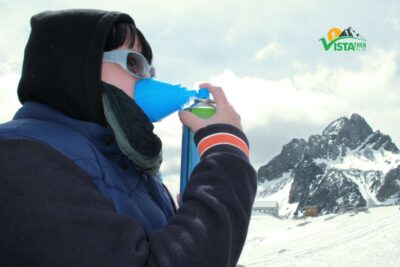
Symptoms of Tibet high altitude sickness:
Why does it happen?
If you don’t take altitude sickness seriously, it can get worse and become dangerous. Learning about Tibet travel altitude sickness helps you avoid serious health problems. The goal is to enjoy your Tibet travel, not spend your vacation in bed.
Always listen to your body. Even small symptoms are signs to slow down.
Recommended Package: Nepal & Tibet EBC Tour 12 Days
Many beginners ignore the early signs of altitude sickness. They think it will pass or that they’re too strong to get sick. But even healthy hikers get high-altitude sickness in Tibet when they go too fast or don’t prepare.
Why it matters:
Knowing these errors and avoiding them boosts your Tibet travel safety. It helps you explore the region with more energy and less stress. Staying smart about altitude sickness means longer, safer adventures.
Recommended Package: Kathmandu Lhasa Cultural Tour 9 Days
You don’t have to suffer from altitude sickness if you plan well. Smart choices before and during your trip help your body adjust smoothly to Tibet’s thin air.
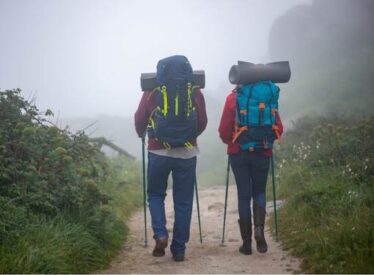
Travel altitude sickness is less scary when you know how to stop it before it starts. Follow these simple steps and boost your Tibet travel safety. Slow and steady always wins in the mountains.
Recommended Package: Cho Oyu Expedition
Altitude sickness medicine can be a lifesaver in Tibet. While many people avoid pills, having the right medicine can help prevent or reduce Tibet altitude sickness symptoms.
Important safety tips:
These medications are key to managing altitude sickness. Pack them early so you’re prepared. Good planning means better Tibet travel safety.
If you feel symptoms of altitude sickness, stop what you’re doing. Pushing on will only make things worse.
Tibet travel altitude sickness can become dangerous fast. Don’t ignore your body’s warning signs. The best way to enjoy your Tibet travel is to put your safety first.
Tibet travel safety isn’t just about altitude sickness. There are other important things you should know before your trip.
Bonus safety tips:
Tibet travel is magical, but only when done safely. These simple rules help you explore with more confidence. Tibet altitude sickness is manageable when you travel smart.
Tibet is one of the most stunning places on Earth, but it comes with a challenge: Tibet altitude sickness. Learning about Tibet’s high altitude sickness, carrying the right altitude sickness medicine, and understanding Tibet travel altitude sickness are the keys to staying healthy.
Your safety is important. Use these suggestions to avoid illness, safeguard your health, and enjoy every second of your Tibet trip. Whether you’re wandering through Lhasa or climbing in the Himalayas, careful planning and mindfulness will make your trip unique.
Are you ready to explore Tibet securely and comfortably? Trust VistaTreks to provide you with expert advice, dependable assistance, and all of the information you need to overcome altitude sickness and enjoy every second of your vacation. Begin arranging your amazing Tibetan experience with VistaTreks today!
Yes, even very fit people can get altitude sickness because it’s about how your body adjusts to less oxygen, not just fitness.
You should start taking Diamox one or two days before going above 3,000 meters to help your body adjust faster.
Rhodiola is a traditional herb some people use to ease altitude sickness, but it’s not as strong as medicine like Diamox.
If you get sick during your trip, stop going higher, rest, tell your guide, take your medicine, and drink lots of water. If symptoms get worse, you should go down to a lower altitude quickly.

Once is not Enough for Naturally Nepal
GPO Box 9668
Thamel, Kathmandu, Nepal
Tel: 977-01-4701020,
4701164
info@vistatreks.com, vistatreknepal@gmail.com
Devendra Basnet
(Managing Director)
info@vistatreks.com
Arjun Kumar Sharma
(Executive Director)
vistatreknepal@gmail.com
Copyright © 2026 Vista Trek Pvt. Ltd. All Rights Reserved | Design by: Web Design in Nepal