After two nights in Namche Bazaar, the Everest Base Camp trail continues toward Tengboche. Today’s walk has three distinct parts: a scenic hillside path, a descent to the Dudh Koshi River, and a steady climb through forest to the monastery village.
The mountain views can be excellent, but this is also a day to pay attention to your pace. Even after acclimatizing in Namche, the climb from Phunki Tenga to Tengboche can feel demanding.
Starting point: Namche Bazaar, approximately 3,440 m
Overnight stop: Tengboche, approximately 3,860 m
Walking time: Usually 5–6 hours
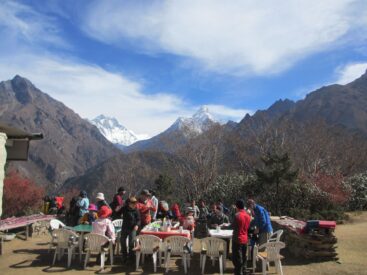
Leaving Namche, the trail climbs out of town before following the hillside above the Dudh Koshi valley. On a clear day, you may see Everest, Lhotse, Ama Dablam and other Khumbu peaks along this stretch.
The path passes prayer walls and viewpoints before reaching Kyangjuma. This is a good place for a short break and a chance to take in the landscape. Trails in this area branch toward different parts of the Everest region; your guide will keep you on the route toward Tengboche.
Mountain weather can change quickly, so keep a warm layer and rain protection within reach even if the morning begins under clear skies.
Beyond Kyangjuma, the trail descends toward Phunki Tenga near the Dudh Koshi River. Many groups stop here for lunch or tea before tackling the uphill section.
The descent is a reminder that trekking days are measured by more than the difference between starting and finishing elevations. You lose height on the way to the river and must climb again to reach Tengboche. Take time to eat and refill your water before setting off.
From Phunki Tenga, the trail rises steadily through pine and rhododendron forest. Rhododendrons may flower in spring, while at other times of year the forest offers shade and a quieter change from the open hillside above Namche.
Walk at a comfortable pace and take short breaks when needed. As the trail approaches Tengboche, the forest opens and the village and surrounding mountains come into view.
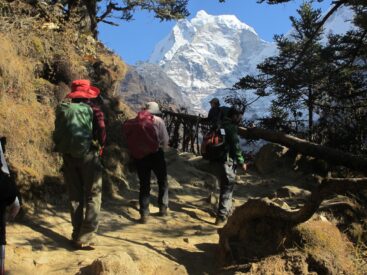
Tengboche is known for its Buddhist monastery and its setting among the Himalayan peaks. If the monastery is open to visitors when you arrive, your guide can help arrange a respectful visit. Ceremonies and access depend on the monastery’s schedule, so they cannot be guaranteed.
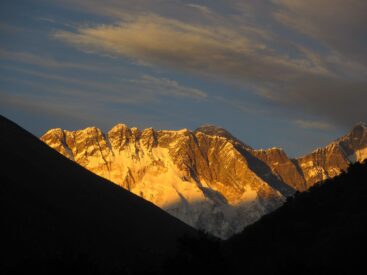
When the sky is clear, Tengboche offers views toward Everest, Nuptse, Lhotse, Ama Dablam and nearby peaks. The light can be especially beautiful later in the day, but cloud and weather determine what you will see. Enjoy the village itself even if the mountains are hidden.
After checking into your lodge, take time to rest, eat well and tell your guide how you are feeling. Depending on room availability, some groups may stay in nearby Deboche instead of Tengboche.
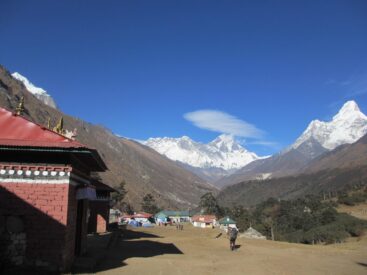
Day 4 combines some of the most memorable elements of the Everest Base Camp route: mountain viewpoints, riverside trails, forest and the cultural setting of Tengboche Monastery. The next trekking day continues through Deboche and Pangboche toward Dingboche, where the landscape becomes more open as you gain altitude.
Continue reading: Day 5 of the Everest Base Camp Trek: Tengboche to Dingboche
Planning the full journey? Explore our 14-day Everest Base Camp Trek or contact Vista Treks to discuss your travel dates.

Once is not Enough for Naturally Nepal
GPO Box 9668
Thamel, Kathmandu, Nepal
Tel: 977-01-4701020,
4701164
info@vistatreks.com, vistatreknepal@gmail.com
Devendra Basnet
(Managing Director)
info@vistatreks.com
Arjun Kumar Sharma
(Executive Director)
vistatreknepal@gmail.com
Copyright © 2026 Vista Trek Pvt. Ltd. All Rights Reserved | Design by: Web Design in Nepal